ByJohn A
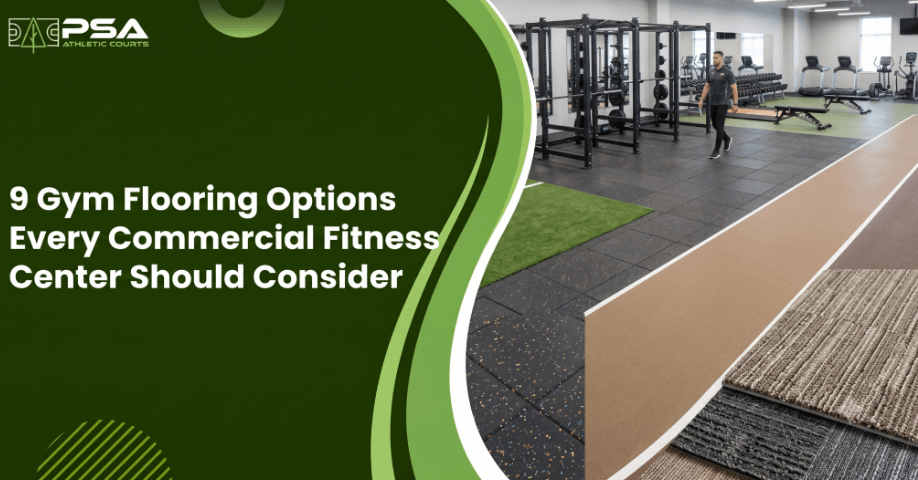
9 Gym Flooring Options Every Commercial Fitness Center Should Consider
Choosing the right gym flooring is one of the most important decisions when designing or renovating a commercial fitness center. The flooring affects safety, equipment durability, noise reduction, maintenance, and the overall member experience. With hundreds of members using the facility every day, investing in commercial gym flooring that can withstand heavy traffic is essential.
From free-weight areas to functional training zones and cardio spaces, every section of a gym has unique flooring requirements. If you’re looking for the best gym flooring, this guide explores nine popular options that combine durability, performance, and long-term value.
1. Rubber Flooring
Rubber flooring is widely regarded as the best gym flooring for commercial fitness centers because of its durability and versatility.
Available in rolls, tiles, or mats, rubber flooring absorbs impact from dropped weights while providing excellent traction and noise reduction.
Benefits include:
- High durability
- Slip resistance
- Shock absorption
- Easy maintenance
- Suitable for heavy equipment
It is ideal for strength training, free-weight areas, and functional fitness zones.
2. Rubber Interlocking Tiles
Interlocking rubber tiles offer flexibility for gyms that may expand or reconfigure their layouts.
These tiles are easy to install, replace, and maintain without disrupting the rest of the facility. Their modular design makes them a popular commercial gym flooring solution for multi-purpose fitness centers.
Best suited for:
- Weight rooms
- Cross-training areas
- Home gyms
- Personal training studios
3. Vinyl Sports Flooring
Luxury vinyl sports flooring is an excellent option for cardio rooms, stretching areas, and group fitness studios.
Modern vinyl flooring provides a smooth surface that’s comfortable underfoot while resisting moisture, stains, and daily wear.
It also offers a clean, professional appearance that complements contemporary gym designs.
4. Foam Flooring
Foam flooring provides extra cushioning for low-impact activities.
Although not recommended for heavy weightlifting, it works well in:
- Yoga studios
- Pilates rooms
- Children’s fitness areas
- Stretching zones
Its lightweight design also makes installation quick and cost-effective.
5. Artificial Turf
Artificial turf has become increasingly popular in modern commercial gyms.
Many functional training zones now include turf for sled pushes, agility drills, sprint training, and conditioning exercises.
Benefits include:
- High durability
- Improved athletic performance
- Easy maintenance
- Professional appearance
Custom turf with logos or lane markings also enhances facility branding.
6. Cork Flooring
Cork is an eco-friendly gym flooring option that naturally absorbs sound and vibration.
Its comfortable surface makes it suitable for wellness studios, rehabilitation centers, and low-impact fitness spaces.
- Advantages include:
- Sustainable material
- Noise reduction
- Comfortable underfoot
- Natural insulation
7. Hardwood Sports Flooring
Hardwood flooring remains the preferred choice for basketball courts, dance studios, and multi-purpose athletic facilities.
Maple hardwood offers excellent ball bounce, shock absorption, and long-term durability when properly maintained.
While installation costs are higher, hardwood delivers exceptional performance for sports-focused facilities.
8. Epoxy Flooring
Epoxy flooring is commonly used in utility areas and specialized training spaces.
Its seamless surface resists moisture, chemicals, and heavy equipment while requiring very little maintenance.
Epoxy is ideal for:
- Equipment storage rooms
- Maintenance areas
- Indoor cycling studios
- High-traffic entryways
Its clean finish also gives fitness centers a modern, polished appearance.
9. Hybrid Flooring Systems
Many modern fitness centers combine multiple flooring materials throughout the facility.
For example:
- Rubber flooring in weight rooms
- Artificial turf for functional training
- Vinyl in cardio zones
- Foam in stretching studios
- Hardwood in group exercise rooms
A hybrid commercial gym flooring approach allows each training area to perform at its best while creating a seamless member experience.
See also: Transform Your House With a Home Improvement Center
How to Choose the Best Gym Flooring
When selecting the best gym flooring, consider the following factors:
- Type of workouts offered
- Expected daily foot traffic
- Equipment weight
- Shock absorption requirements
- Slip resistance
- Noise reduction
- Ease of maintenance
- Installation budget
- Long-term durability
Matching the flooring to the intended use helps maximize safety and extends the life of your investment.
Why Quality Commercial Gym Flooring Matters
High-quality commercial gym flooring protects both members and equipment. It reduces the risk of slips and injuries, minimizes noise, absorbs impact, and creates a more comfortable training environment.
In addition, premium flooring requires less maintenance and withstands years of heavy use, making it a cost-effective solution for gym owners.
Whether you’re opening a new fitness center or upgrading an existing facility, selecting the right flooring contributes to member satisfaction and long-term operational success.
Final Thoughts
Selecting the right gym flooring is a long-term investment that impacts safety, durability, maintenance, and member satisfaction. Whether you choose rubber flooring for weight rooms, turf for functional training, or hardwood for sports courts, matching the flooring to each activity creates a better training environment. If your facility also features indoor sports courts, don’t miss our guide on “6 Cost-Effective Indoor Court Resurfacing Solutions” for additional tips on maintaining high-performance athletic surfaces and maximizing the value of your investment.