ByJohn A
Efficient Debris Removal for Warehouse and Industrial Builds
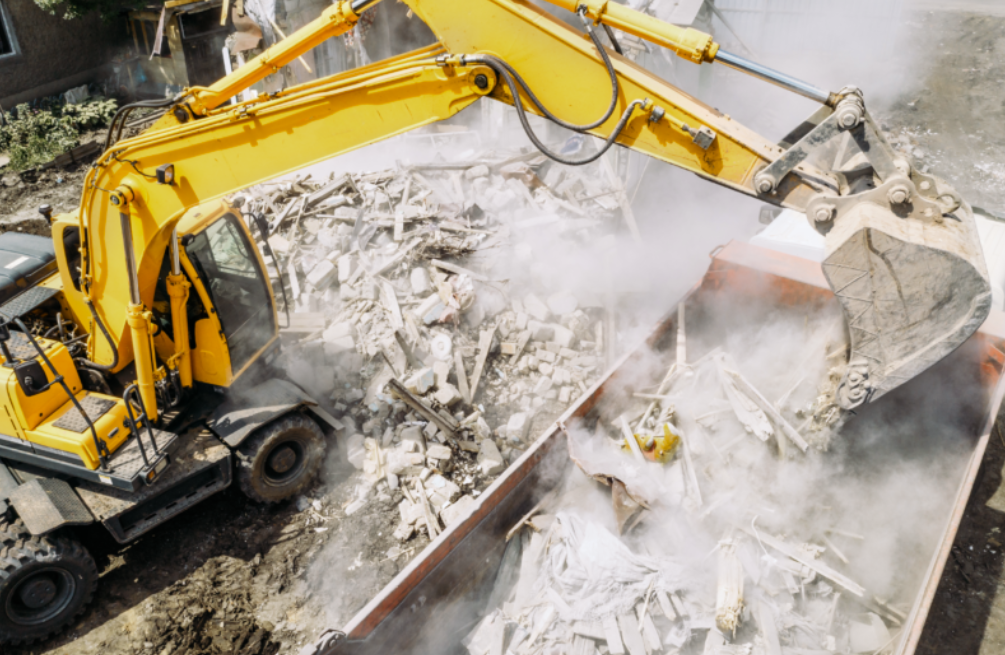
Warehouse and industrial construction projects create debris on a scale that can quickly interfere with production if removal is not planned carefully. These builds often involve large footprints, multiple trades, heavy equipment, steel components, concrete work, packaging, framing debris, temporary materials, and frequent deliveries. Without a reliable cleanup process, waste can spread across staging areas, block equipment routes, and slow the progress of crews working under tight schedules.
For contractors, efficient debris removal is not just about keeping the site clean. It affects safety, logistics, sequencing, access, and overall productivity. A warehouse or industrial build usually depends on smooth coordination between site preparation, foundation work, structural framing, exterior systems, interior buildout, utility installation, and final turnover. Each phase creates its own waste stream, and each one needs to be managed without disrupting the next.
Why Industrial Builds Require Strong Debris Planning
Warehouse and industrial projects are often larger and more open than residential or small commercial jobs, but that extra space can be misleading. Wide construction areas can become cluttered quickly when debris is not controlled. Pallets, packaging, formwork, scrap metal, concrete pieces, lumber, drywall, insulation, and excess materials can accumulate across work zones before crews realize how much space has been lost.
These projects also rely heavily on equipment movement. Forklifts, loaders, cranes, lifts, trucks, and delivery vehicles need clear routes to operate safely. If waste piles begin blocking travel lanes or staging zones, crews may spend more time working around debris than completing scheduled tasks.
A waste removal plan helps keep the site functional as construction moves from large-scale exterior work into more detailed interior phases.
See also: UAE Visit Visa and Residence Permit Reforms: Extensions, Grace Periods and Renewal Rules
Build Cleanup into the Site Logistics Plan
The best time to plan debris removal is before site activity reaches full speed. Contractors should identify disposal areas, truck access points, equipment routes, material staging zones, and crew parking before major work begins.
Many contractors use Temporary Dumpster service to support debris control during warehouse and industrial builds where waste must be contained throughout multiple construction phases. A dedicated disposal setup gives crews a central place to remove materials instead of allowing debris to collect near work areas or delivery lanes.
This early planning also helps avoid conflicts between waste removal, material deliveries, subcontractor access, and daily site operations.
Keep Equipment Routes Clear
Warehouse and industrial builds depend on steady equipment movement. Concrete crews may need pump access, steel crews may need room for cranes or lifts, and interior trades may need forklifts to move materials across the site. If debris blocks these routes, delays can ripple through the schedule.
Contractors should designate travel paths and protect them from becoming temporary dumping areas. Crew members should know where debris belongs and which access lanes must stay open at all times.
Clear routes reduce congestion and help equipment operators move with fewer interruptions.
Coordinate Debris Removal by Construction Phase
Different phases of an industrial build generate different types of debris. Site preparation may produce brush, soil, old pavement, or removed structures. Foundation and slab work may create concrete debris, form material, packaging, and reinforcing scraps. Structural framing can generate metal cutoffs, wood bracing, pallet waste, and protective wrapping.
Interior phases may involve drywall, insulation, ceiling materials, flooring scraps, fixture packaging, and general construction waste. Final cleanup often includes smaller debris that can still affect inspection readiness and client walkthroughs.
Coordinating removal by phase keeps debris from one stage from interfering with the next. It also helps project managers schedule pickups or swaps around the times when waste generation is heaviest.
Establish Centralized Disposal Zones
On larger builds, debris can spread quickly if every trade creates its own pile. Centralized disposal zones help maintain control. These areas should be easy for crews to reach but placed carefully so they do not interfere with loading zones, crane paths, delivery staging, or finished work.
Some projects may need more than one disposal area, especially if the site is large or work is happening in several sections at once. The goal is to reduce unnecessary travel while still keeping debris contained.
A good disposal zone should have enough space for loading, safe access for service vehicles, and clear separation from clean material staging areas.
Separate New Materials From Waste
Warehouse and industrial builds involve frequent deliveries of steel, panels, fixtures, conduit, piping, insulation, doors, equipment, and finish materials. These deliveries often arrive before older debris has left the site, especially when multiple trades are working at once.
Mixing new materials with debris creates confusion and increases the chance of damage. Contractors should maintain separate areas for clean materials, returned items, scrap, and waste.
Clear separation helps crews find what they need faster and prevents usable supplies from being mistaken for debris.
Manage Heavy and Bulky Materials Carefully
Industrial construction waste is often heavy or awkward to move. Concrete debris, steel scraps, masonry, dock equipment packaging, framing materials, and large pallets may require special handling during cleanup.
Contractors should avoid allowing dense debris to accumulate in areas that are difficult for equipment to reach. Heavy materials should be moved efficiently from the work zone to the disposal area so crews are not repeatedly handling the same load.
When heavy debris is expected, removal schedules should be adjusted before containers or staging areas become overloaded.
Keep Trades Accountable for Cleanup
Warehouse and industrial builds usually involve many subcontractors working in overlapping phases. Each trade may create waste, but if cleanup responsibility is unclear, debris can remain behind for the next crew to handle.
Project managers should set cleanup expectations early. Trades should know where to place waste, what materials need separate handling, and when areas must be cleaned before turnover to another crew.
This prevents cleanup from becoming a source of conflict and helps keep the project moving smoothly.
Protect Finished and Sensitive Areas
As warehouse and industrial builds progress, some sections may be completed while others remain active. Offices, break rooms, loading areas, electrical rooms, equipment pads, polished floors, dock areas, and finished wall systems may need protection while construction continues nearby.
Debris routes should be adjusted as finished areas come online. Crews should avoid dragging waste across completed surfaces or staging debris near installed systems.
Good cleanup planning protects completed work and reduces the risk of expensive rework late in the project.
Support Safety and Inspection Readiness
Debris control plays a direct role in site safety. Loose materials, scattered packaging, scrap metal, fasteners, broken boards, and blocked routes can create hazards for workers and equipment operators.
Consistent removal helps maintain:
- Clear walkways and access lanes
- Safer equipment movement
- Better visibility across active work areas
- Cleaner spaces for inspections and walkthroughs
As the project approaches turnover, debris removal becomes even more important. A clean site makes it easier to identify punch list items, complete inspections, and prepare the facility for owner use.
Adjust the Plan as the Build Changes
Industrial projects rarely follow a perfectly static plan. Weather delays, delivery changes, design adjustments, added work, or faster progress in one section can all affect debris volume and cleanup needs.
Contractors should review waste removal throughout the build rather than assuming the original plan will work from start to finish. Disposal locations, pickup frequency, and crew cleanup routines may need to shift as the site changes.
Flexible planning helps prevent debris from becoming a bottleneck during high-production phases.
Efficient debris removal is essential for keeping warehouse and industrial builds safe, organized, and productive. Contractors need to plan disposal areas early, keep equipment routes open, separate clean materials from waste, coordinate removal by phase, and hold trades accountable for cleanup throughout the project.
When debris is managed consistently, crews can move more efficiently, materials stay better organized, and each construction phase is easier to complete. For large industrial and warehouse projects, a strong waste removal plan supports smoother site logistics from the first stage of work through final turnover.