ByJohn A
Medical Schools That Accept Body Donations: How the Process Works
Researchers have estimated that medical education and research programs in the United States require between 12,000 and 15,000 body donors each year. Despite the urgent need, there’s been a declining availability of human bodies for anatomical education worldwide.
In Arizona, there are a few medical schools that accept body donations. However, many families choose to donate through United Tissue Network, an accredited, nonprofit body donation organization instead.
Why Medical Schools Need Body Donations
Human body donation remains one of the most important resources in medical education. While technology has transformed many aspects of healthcare training, there is still no complete substitute for learning from real human anatomy.
See also: The Benefits Of Owning A New Home In Singapore
Training Future Physicians
Medical students spend countless hours studying anatomy during their education. Donated bodies help students understand the location, structure, and relationships between organs, muscles, nerves, blood vessels, and other anatomical systems. Every person is different, and body donation allows future physicians to learn from the natural variations they will encounter throughout their careers.
Supporting Surgical Training
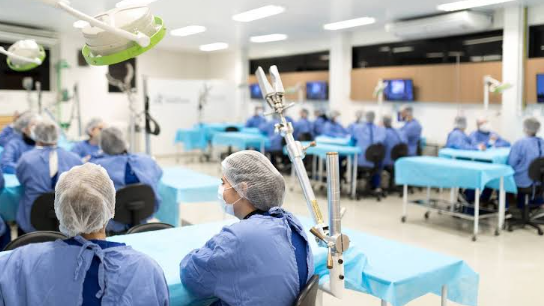
Body donations are also essential for physician training in medical school and afterward. Surgeons train using donated bodies and refine procedures before performing them on patients. This type of hands-on experience helps improve confidence, technical skills, and ultimately patient safety.
Advancing Medical Research
Many medical schools also conduct research using donated bodies to study diseases, evaluate medical devices, improve treatments, and develop new healthcare techniques. Many scientific breakthroughs in treating diseases have come from the study of human bodies at medical schools and research centers.
Medical Schools That Accept Body Donations Near Me
When families search for medical schools that accept body donations near me, they often assume that their only option is to find a local university. That can be an option, but it’s not the only way you can become a whole-body donor.
While this is sometimes true, there are different pathways through which medical schools receive donations. In Arizona, you have two options:
- University of Arizona Willed Body Program in Tucson
- Midwestern University Body Donation Program in Glendale
In these programs, you register with the school directly. After death, the school evaluates eligibility and determines whether the donation can be accepted. While these programs play an important role in medical education, they have limitations.
Some only accept donors who are nearby. Depending on the institution, families may also be responsible for certain transportation costs. There are often significant restrictions on eligibility. Some only accept those meeting specific height, weight, or body mass index requirements.
Universities that also do research may only accept bodies of those with specific medical conditions that fit research needs at that time. For example, the Banner Sun Health Research Institute in Sun City also accepts donated bodies, but only those with Alzheimer’s disease, Parkinson’s disease, or dementia with Lewy bodies.
Nonprofit Donation Programs
Compared to medical schools that accept body donations, United Tissue Network has far fewer restrictions. Most adults 18 years or older are eligible, and most medical conditions are accepted except those with infectious diseases that may pose a health threat to medical professionals.
Because UTN works with a network of medical education and research facilities, they are able to accept more body types and conditions and place donors with appropriate programs, ensuring donor bodies are matched with institutions that have current needs.
United Tissue Network also simplifies the process at the time of death. Families notify UTN, which coordinates transportation, documentation, and placement arrangements. After studies are finished, UTN arranges for cremation and return of the cremated remains upon request, at no cost to families.
So, families eliminate transportation costs and get free cremation in return for donating a body to science with United Tissue Network. UTN coordinates directly with medical schools that accept body donations and other research facilities.
The Importance of Planning Ahead
Whether you are considering a university anatomical gift program or United Tissue Network, planning ahead can make the process easier for everyone involved.
Pre-registration helps document your wishes and provides your family with clear guidance when the time comes. Through United Tissue Network, you can reduce the burden on your family at the time of passing from both a logistical and financial standpoint. Your donation through UTN can help medical schools that accept body donations to educate the next generation of physicians, train surgeons, and conduct medical research to improve the quality of life for others.
Learn more about the donation process, start your registration and become a whole-body donor in Arizona.